Pavilion Sealing in Seattle, WA
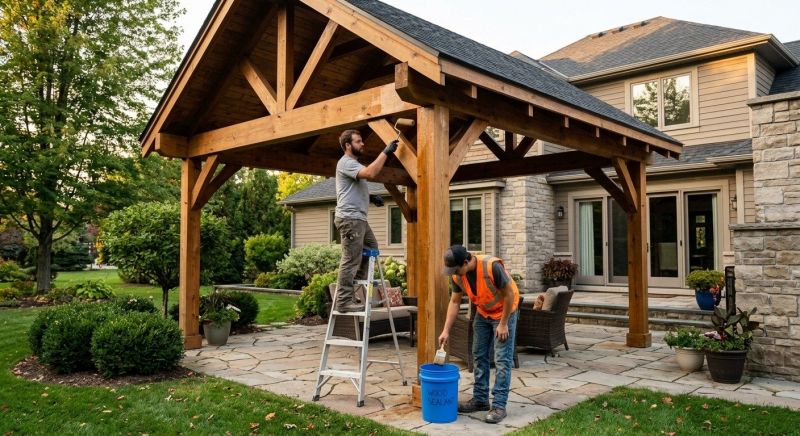
Pavilion sealing services involve applying a protective coating to the surface of a pavilion to prevent water infiltration, weather damage, and deterioration over time. This service is commonly requested for projects such as sealing wooden, vinyl, or metal pavilions in residential yards, parks, or community spaces. Property owners typically seek pavilion sealing to extend the lifespan of their structures, maintain appearance, and reduce the need for costly repairs caused by exposure to rain, snow, and sun.
Before requesting pavilion sealing, property owners should understand the current condition of their pavilion’s surface, including any existing damage, cracks, or signs of wear. It is also helpful to know the material type of the pavilion, as different surfaces may require specific sealing products and techniques. Proper preparation, such as cleaning and repairing minor damages beforehand, can ensure the sealing process provides optimal protection and durability.
Many property owners in Seattle, WA look into Pavilion Sealing for repairs, replacements, upgrades, and appearance-related improvements.
Pavilion Sealing Benefits
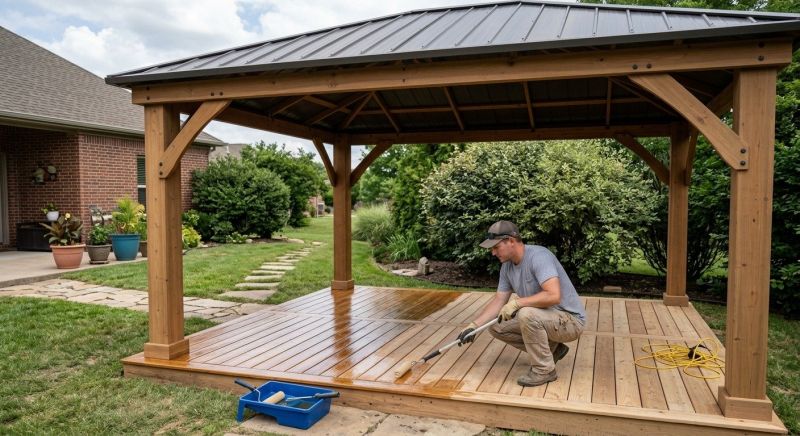
Proper sealing helps protect pavilions from water damage and weather wear.
Common Pavilion Sealing Projects
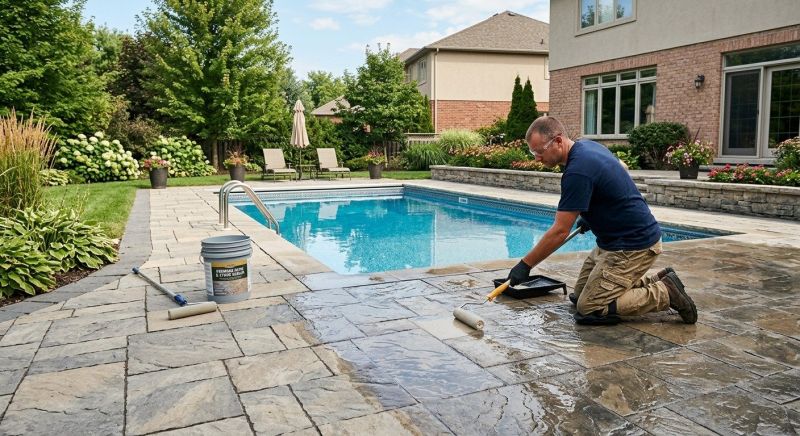
Sealing is often used to preserve wood, concrete, and other outdoor pavilion materials.
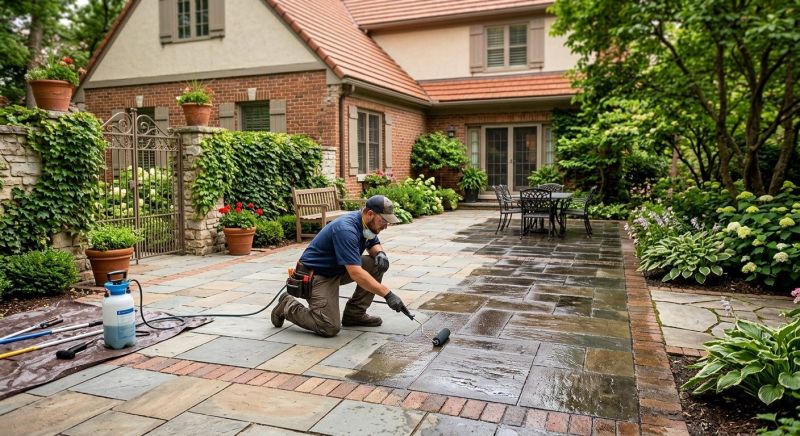
Why Seal Your Pavilion
Sealing extends the lifespan of outdoor structures and maintains their appearance over time.
Pavilion Sealing in Seattle, WA

Pavilion sealing services involve applying a protective coating to the surface of a pavilion to prevent water infiltration, weather damage, and deterioration over time. This service is commonly requested for projects such as sealing wooden, vinyl, or metal pavilions in residential yards, parks, or community spaces. Property owners typically seek pavilion sealing to extend the lifespan of their structures, maintain appearance, and reduce the need for costly repairs caused by exposure to rain, snow, and sun.
Before requesting pavilion sealing, property owners should understand the current condition of their pavilion’s surface, including any existing damage, cracks, or signs of wear. It is also helpful to know the material type of the pavilion, as different surfaces may require specific sealing products and techniques. Proper preparation, such as cleaning and repairing minor damages beforehand, can ensure the sealing process provides optimal protection and durability.
Many property owners in Seattle, WA look into Pavilion Sealing for repairs, replacements, upgrades, and appearance-related improvements.
Common Pavilion Sealing Jobs
Pavilion sealing services - sealing prevents water intrusion and protects pavilion structures from weather damage.
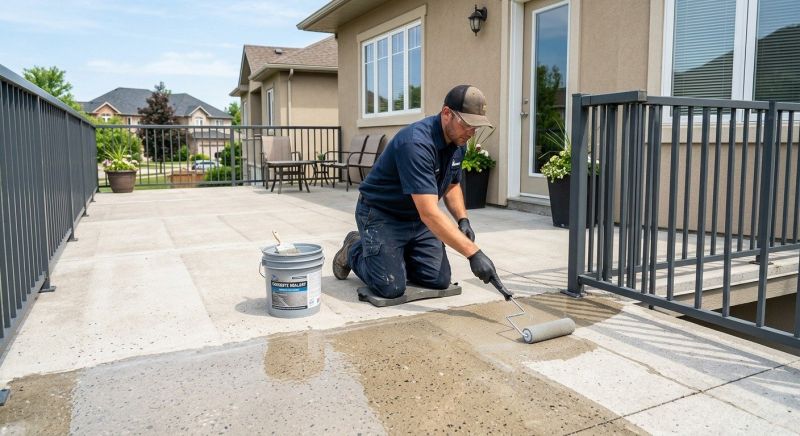
Concrete pavilion sealing - a protective coating helps maintain the appearance and durability of concrete surfaces.
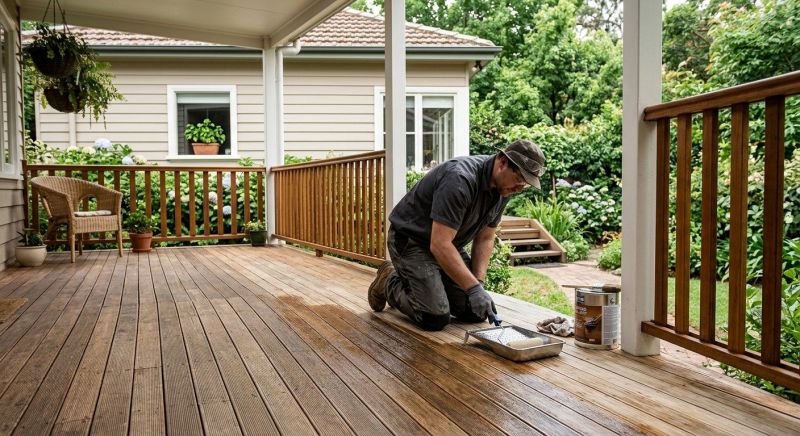
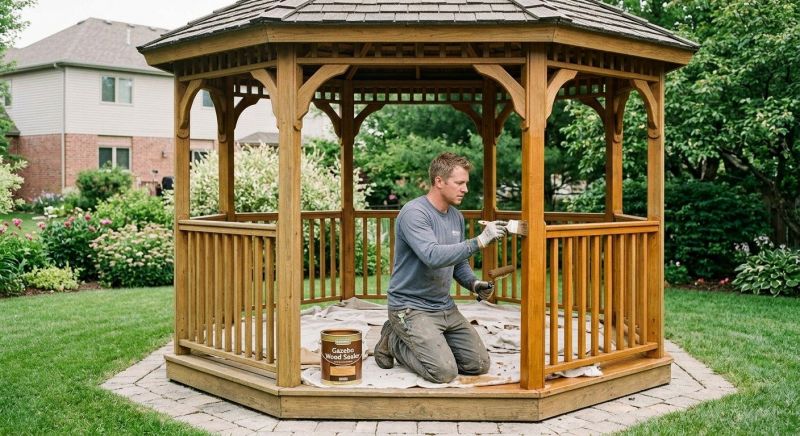
Wood pavilion sealing - sealing wood surfaces reduces the risk of rot, warping, and insect damage.
Sealing for outdoor pavilions - weatherproofs the structure to withstand seasonal changes and moisture exposure.
Sealing joints and seams - sealing gaps prevents drafts, water leaks, and structural deterioration.
Protective sealing for pavilion surfaces - enhances longevity and preserves the aesthetic appeal of outdoor structures.
Pavilion Sealing Questions
What is pavilion sealing? Pavilion sealing involves applying a protective coating to the surface to prevent water infiltration and damage.
Why is pavilion sealing important? Sealing helps extend the lifespan of the pavilion structure and maintains its appearance by preventing weather-related deterioration.
What types of pavilions benefit from sealing? Both wooden and metal pavilions can benefit from sealing to protect against moisture, rust, and decay.
When should pavilion sealing be performed? Sealing is typically recommended during initial construction or when signs of wear, such as cracks or water leaks, become visible.
Request Pavilion Sealing in Seattle, WA
Use the quote form on this page to share the basics of your project and request more information for the type of work you need.